Thanks for making us NJ’s most trusted roofing company since 1990!
Roofing Contractors in Montclair, NJ
Are you in search of reliable and professional roofing contractors in Montclair, NJ? Look no further than Roof 4 Roof! With years of experience and a commitment to quality, we are your go-to choice for all your roofing needs. Whether you require residential or commercial roofing services, we have you covered.
We take pride in delivering top-notch roofing solutions that exceed your expectations. As the leading roofing contractors in Montclair, we offer a range of services tailored to meet your specific requirements. Our team of skilled professionals is dedicated to ensuring the longevity, durability, and aesthetics of your roof.
Over 20,000 happy clients and over 25 million sq. ft. of roofing and exteriors installed
Since 1990, Roof4Roof has been an industry leader serving Northern NJ servicing the needs of residential, commercial, multi-family and church clients. We are unique because of our depth of experience for also for our charitable giving business model. In the last 12 years, we have helped approximately 1200 families with home improvements and other needed services. You can feel confident that you are dealing with an experienced company with a mission to help others.
Read More
Our services include repairing and maintaining all types of Flat Roofs, Shingle Roofs, Slate and Tile Roofs, along with Siding, Chimneys, Skylights, Gutters and more. In addition, we also handled Mold/Water Remediation, Exterior and Interior Painting, Kitchen & Bathroom Resurfacing, Insulation and all types of flooring,
For your protection and ours, we are fully licensed, insured, trained and accredited. Thank you again for considering Roof4Roof and we look forward to serving you.
Our Services
Residential Roofing
Our expertise extends to residential roofing projects, where we combine quality materials, precision installation, and a keen eye for detail. From roof inspections and repairs to complete roof replacements, we handle it all with the utmost care.
Commercial Roofing
For businesses, we offer comprehensive commercial roofing services. Whether you have a flat roof or a sloped one, our skilled technicians have the expertise to ensure the integrity of your commercial property’s roof.
Get a solution right now
Contact New
"*" indicates required fields
Roof Inspections
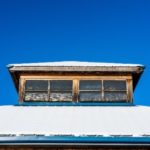
Regular roof inspections are essential to identify any underlying issues before they become major problems. Our team conducts thorough inspections to catch potential leaks, damages, or deterioration, allowing us to address them promptly.

Roof Repairs
If your roof is showing signs of damage, don’t wait until it worsens. Our roofing experts are adept at repairing various roofing issues, including leaks, missing shingles, and more.
Roof Replacements
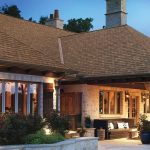
When repairs are no longer sufficient, our team can execute seamless roof replacements. We work with high-quality materials and modern techniques to ensure your new roof stands the test of time.
Results Matter
Customers
Roof4Roof has a 30-year track record with over 20,000 Satisfied Customers.
Installed
Roof4Roof has installed over 20 Million square feet of Roofing, Siding and Waterproofing.
Families
Roof4Roof has helped 1,200 families in need with Free Emergency Home Repairs and other assistance in the US and abroad.
Experience
For over 30 years, Roof4Roof has been fully Certified, Trained and Experienced in all phases of Roofing, Waterproofing and Restoration.
Contact Us Today!
When you choose Roof 4 Roof, you’re choosing a commitment to excellence, professionalism, and customer satisfaction. Our aim is to provide the residents and businesses of Montclair, NJ, with roofing solutions that offer both aesthetic appeal and functional durability. Get in touch with us today for all your roofing needs!
Over 30 years of experience installing, repairing & maintaining roofs in NJ.
Our Services
We love our clients and they love us too!
-
John and the team did a great job for both the house roof repair and garage roof rebuilding. After they finished the job, we actually felt some parts can be improved and they were so helpful to answer our questions and come back to take … More another look and make changes. We were satisfied with the work and really impressed by his manner and sense of responsibility to us. Also great work quality. Trustworthy company. My parents had an English language barrier but John and his team were very patient with them.
-
I had contacted a different roofing company prior to this one but they never showed up on the day of my appointment. Roof4Roof was totally different. They were able to schedule me for an appointment the very next day. They gave me a proposal … More and quote after assessing my roof. They performed the job the following week. Arrived exactly on the agreed time at 7:30am. They finished the job by noon. Very satisfied.
-
Very impressed with the attention to detail, responsiveness and most of all, honesty and great value. I say this as we had gotten an estimate from them last year; however, did not pull the trigger until a bad storm this past summer had … More revealed a leak upstairs so it was time. An updated estimate was provided and work started less than a week later. Best part was they were only slightly higher adjusting for inflation while others came in thousands above them. We were able to pick out an already stocked shingle and off we went. The crew showed up promptly every day and got down to business. When all was complete, they cleaned up all around the property, to include an axle with a large magnet to pick up any nails lying around. They also did repairs on the chimney while up there which should give us more life until that needs replacement. Definitely have our future business & recommend them highly.
-
I had a great experience with Roof 4 Roof. After hurricane Sandy I needed a new roof. John and his team were great to work with. I also had a leak from a flat roof that I remember having almost all my life. It was never able to be found … More and fixed even after the roof had been done over the years. They worked tirelessly trying to help me find where it was coming from. Turned out it was from shingles on the house which they were able to replace for me. I am forever grateful that this problem was finally solved.
-
You and your team were extremely prompt in coming over to our home despite an extremely busy period for yourselves. You were quick to come back with multiple cost effective options to address the leak from the roof. With another roofing … More company, I had to wait for 3 weeks to respond, and another three weeks waiting for significantly higher cost estimate. You were also prompt in arranging financing. I know you were super busy, but were able to schedule installation of the new roof and gutters within a 2 week time frame. We were away on vacation and on our return we were very happy to see the new roof, and there was no debris or nails around the house. A perfect, professional installation and a positive experience for the customer. I will make sure to strongly recommend you to my friends and family. - Salil Menon”
-
Roof4Roof is an outstanding company that I recommend time and time again. They take care of my entire family's homes as well as my clients. The latest service was damage to our home from wind damage. They came out, gave me a fair … More price and quick service before more damage could be done. You will not be sorry calling John and his company.
-
We hired Roof4Roof to do a total roof replacement for our Condo in Hoboken. We chose them because we had a warranty included. Roof4Roof is no longer honoring the warranty and their customer service has been rude and inconsistent. Select … More another provider, or regret it down the road. Chuck: What do I gain here? I don't own a roofing company. You replaced our entire roof and we have had several leaks right after. Now you wont even come inspect the damage inside the unit and you make never ending excuses. Our management company has you on their "not recommended" list of contractors. False accusations? Leaking inside the unit from the roof with significant water damage is very easy to see. I'll upload photos so other potential customers can avoid the mess we are in.
-
We got a new roof in 2012. The crew did their job well and quickly. Since then we called the company several times when we had weather related leaks to check if the problem was in the roof. The customer service people are always nice … More on the phone and helpful.
The company workers are usually punctual and competent. However, in one instance several people weren't able to find the real reason for a leak and Chuck himself came to our house and found what the problem was. BTW, it was not the roof 🙂
Thank you for a good service! -
John arrived at my house in a timely manner and was able to quote the job on the spot with numerous options for shingles and venting and gutters. He was knowledgeable and answered all my questions. The entire house, with ridge vents, was … More done in one day, My neighbors were amazed and Roof4Roof installed additional roofs on my block after neighbors saw the great job they did. Highly recommended.
-
I was referred from a friend to use Roof for Roof
So I gave them a call, they were very pleasant and professional. They came out when they said they would to give me an estimate for my new roof. When meeting with a representative he seemed … More very knowledgeable not only on roofing but gutters as well. They gave me an estimate and a timeframe on which it would be completed. They did exactly what they said. I was very impressed and would refer them to anybody who needs any kind of roofing work as well as gutter work ect. It was a very pleasant experience.
Thanks guys,
Chris Teresi -
My project was a masonry one involving door steps. The quality of the project was good; everything in good shape. I appreciate their hard work especially in the hot summer days and of course the quality of the final results.
-
I have a 3 story house so its very high, with a very busy roof, lots of peaks and valleys. They did an excellent job and were very easy and professional to deal with. I highly recommend John and his crew.
-
Very professional, pleasant and supportive. Went above and beyond our expectations. Highly recommend.